
 HOME >
Van Kitchen Advice: Minimizing Electricity and Cooking Outdoors
 VanUnit
Every region has its own food culture, and everyone has their own way of understanding cooking. I am simply sharing my own experience to offer some recommendations on kitchen gear.
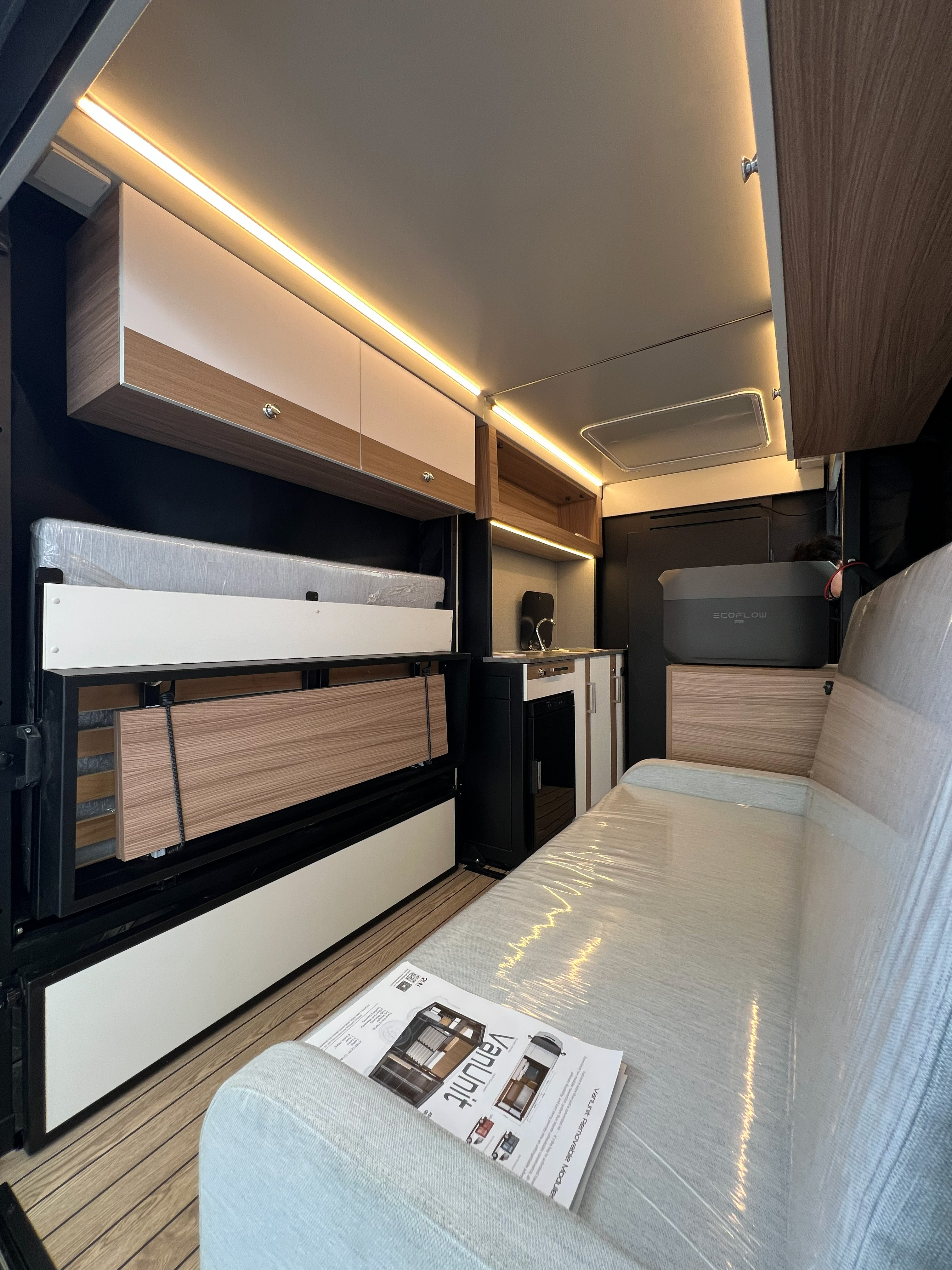
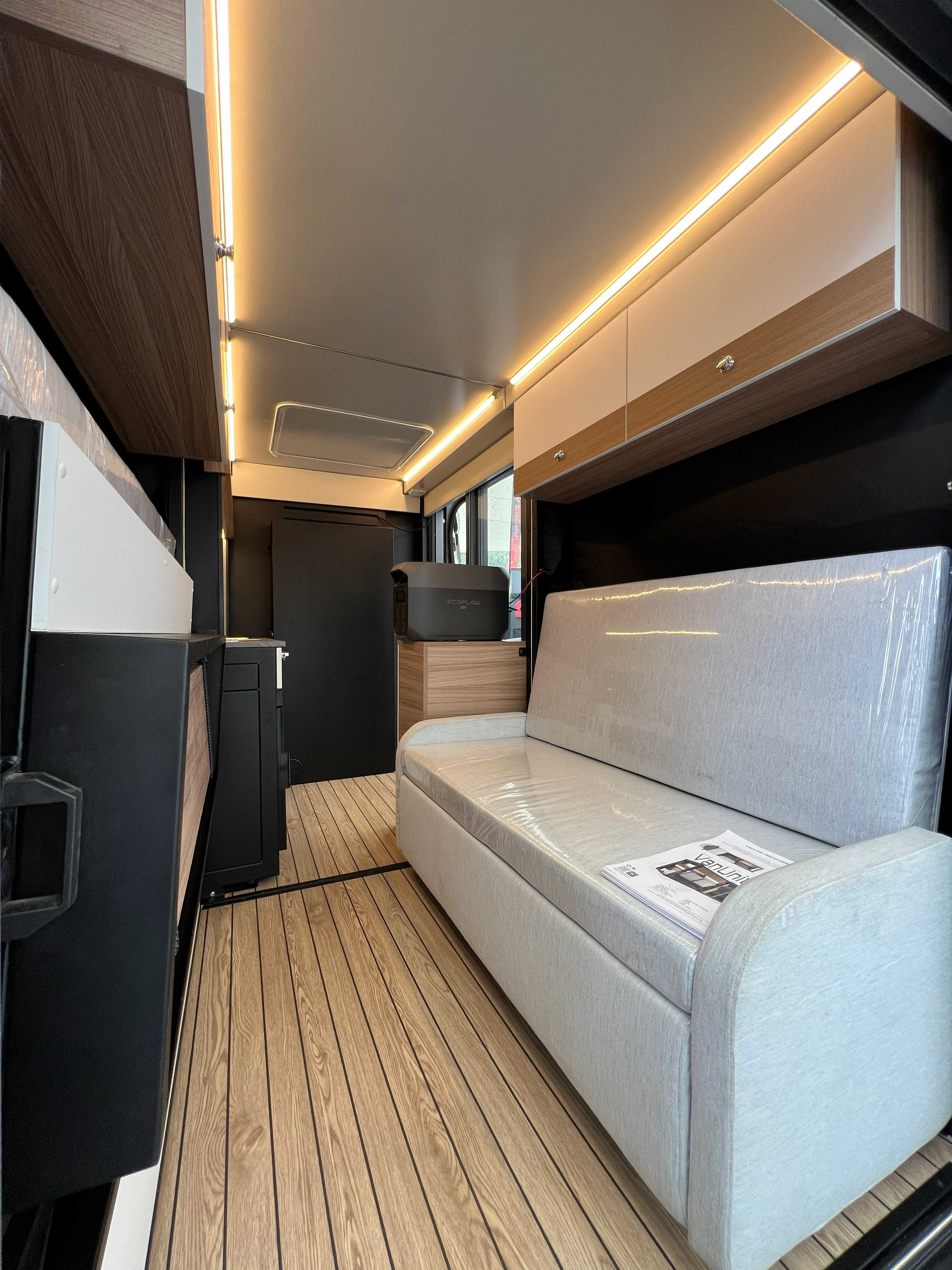
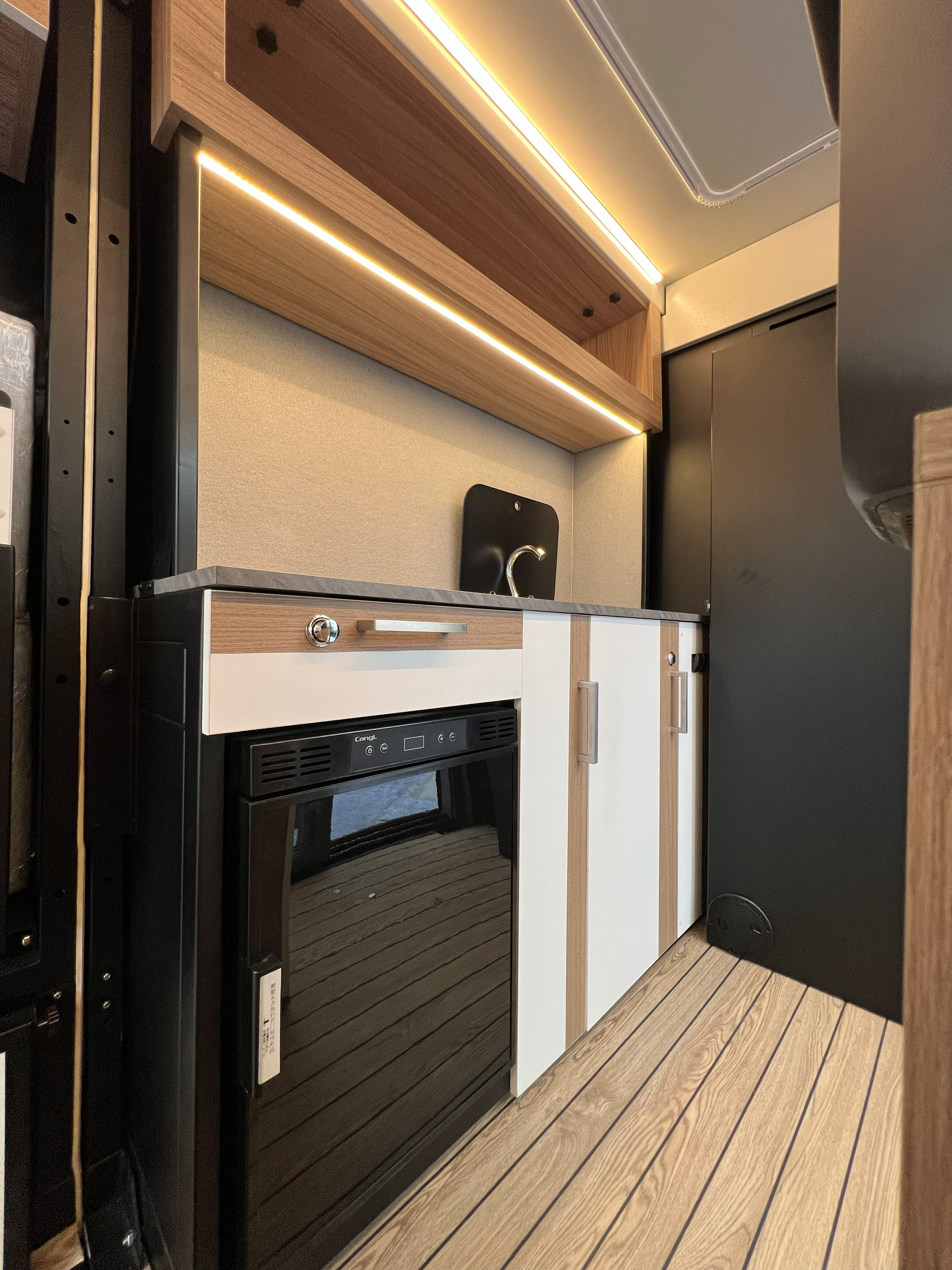
Should you install an induction cooktop, microwave, or rice cooker in your modular camper? My cooking setup is primarily a propane stove and a portable gas stove — pretty similar to what overland camping enthusiasts use. For folks who only cook with electricity, this might seem a bit unconventional.
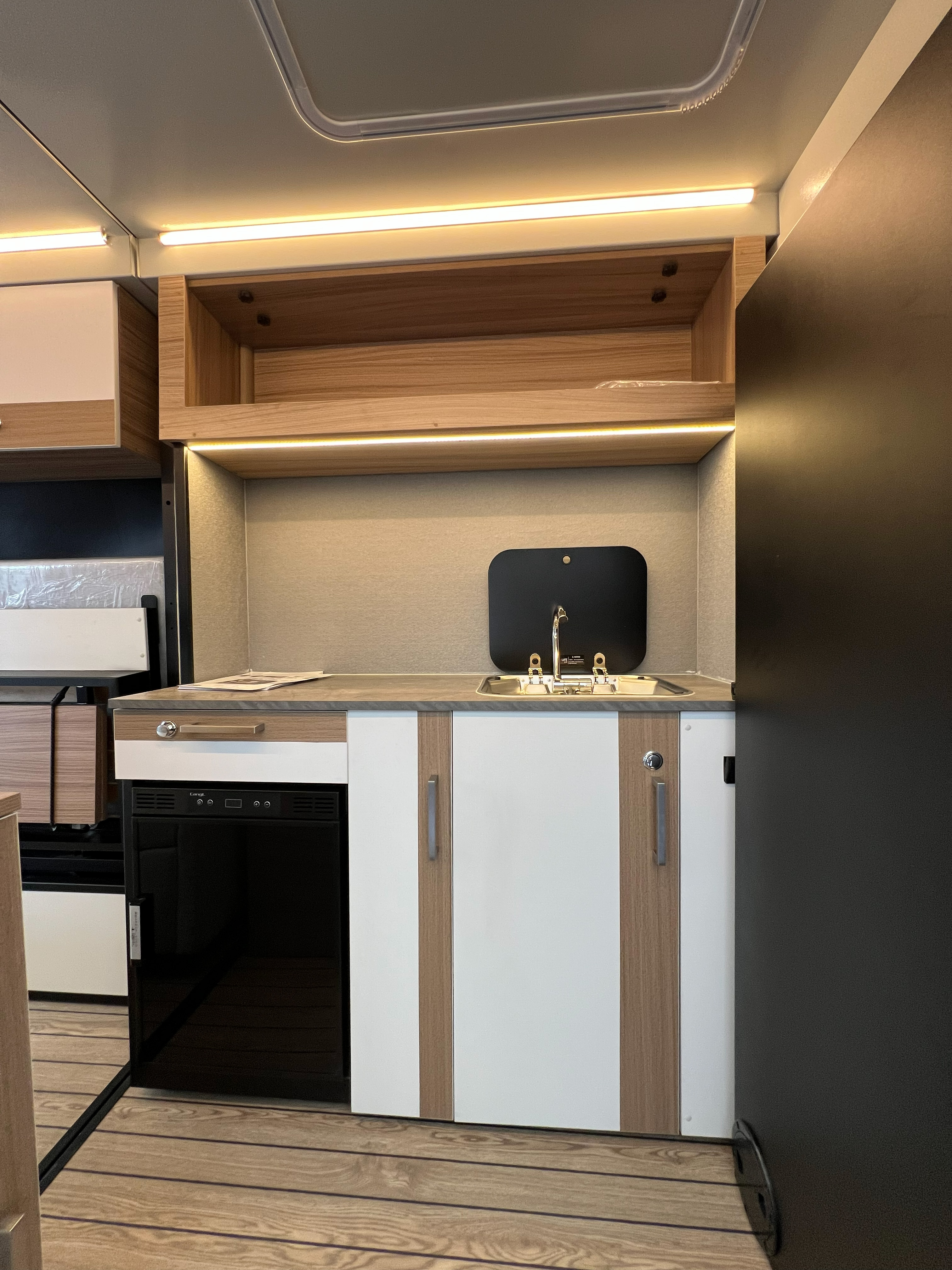
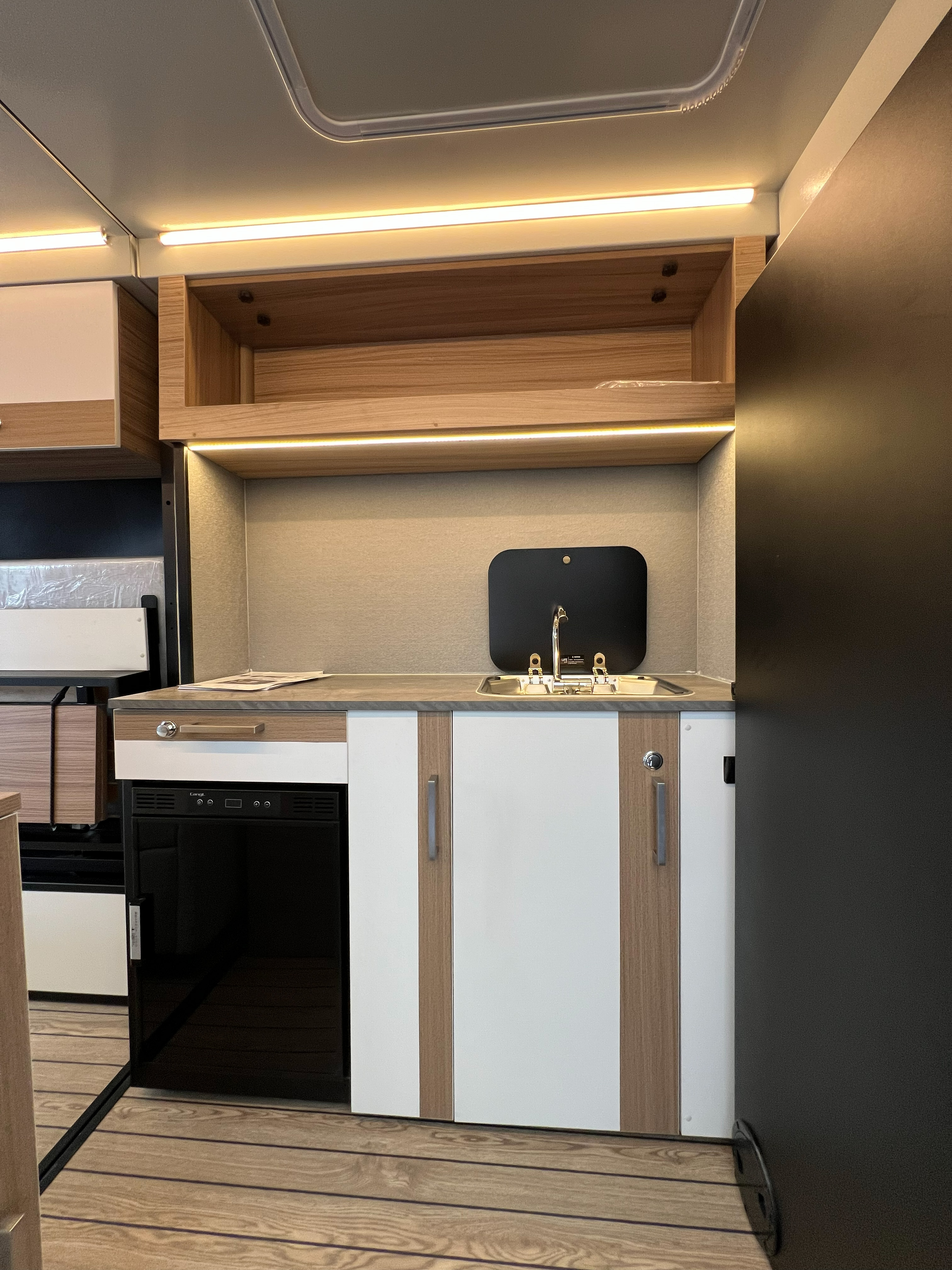
Induction cooktops, microwaves, and other standard kitchen appliances really aren't suitable for use in a modular camper. They are all power hogs! The wattage is way too high! And electricity is undoubtedly the most precious resource on a camper. That's why I have always recommended using outdoor stoves to handle cooking on the road.
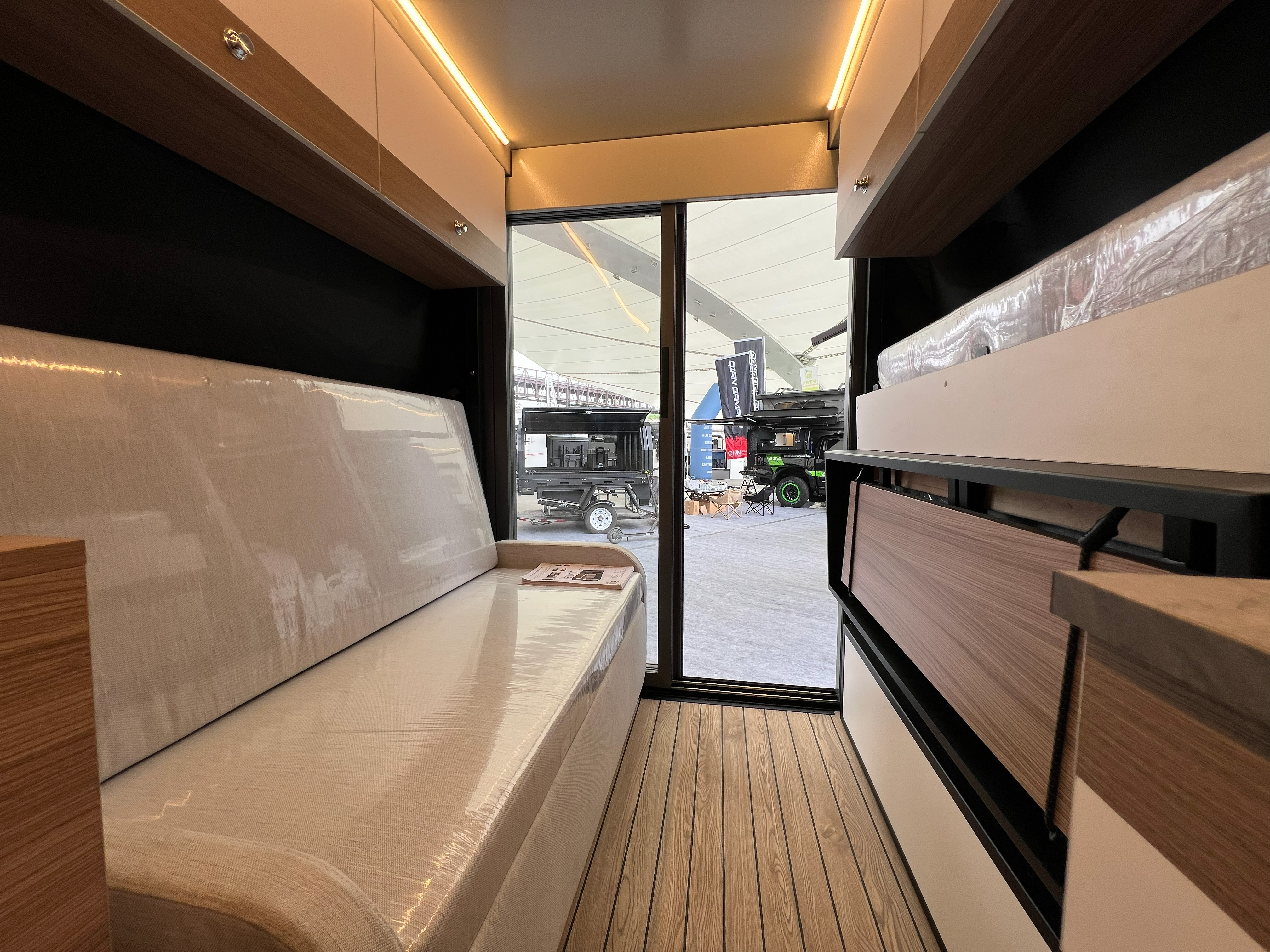
Of course, outdoor cookware comes with its own set of small challenges. Picture this: you arrive at camp, set up your table, and get ready to cook — only to find the wind is howling and the ground is uneven. When choosing a campsite, you need to factor in cooking convenience: find a flat spot with some wind protection. During my trip, I actually cooked inside the camper only a handful of times, and most of those meals were simple combinations of rice, deli food, salads, and soup. The few times I did fire up the stove, it was done inside the vehicle — mainly because I didn't want the hassle.
If you are planning to stay parked in one spot for two or three days, I really don't recommend using electricity for cooking. Stick with propane stoves, liquid fuel stoves, and portable gas stoves. While driving, your electrical system gets recharged — but when you are parked for days without moving, every kilowatt-hour is precious, and using it for cooking feels wasteful.
If you genuinely need to use high-wattage appliances like induction cooktops or microwaves, consider a portable generator. But note the common practice at U.S. campgrounds: generators are allowed during the day but must be silenced at night. Quiet hours typically run from 10 PM to 6 AM, and generator-allowed windows are commonly 8 AM to 8 PM. Dispersed camping on National Forest and BLM land usually doesn't have fixed hours, but don't run one at night. Many national parks and state parks enforce a "no more than 60 decibels at 50 feet from the source" limit, so I recommend choosing an inverter generator — anything under 2,000W should be plenty.
Kitchen Gear Recommendations
A propane stove is an absolute must-have. When you are too lazy to cook a full meal, just boil water and do a quick hot pot with sliced meat and vegetables. Speaking of which, I have to show off my little propane stove — it works great. My main setup is a two-burner propane stove paired with a 20-pound propane tank; one fill gives you about 20 hours of continuous use. Note that exchange tanks like Blue Rhino only contain 15 pounds of propane, so if you use exchange tanks, expect about 75% of that runtime.
Refilling propane tanks is quite convenient, but you need to know the right channels: regular gas stations and supermarkets generally don't carry them. For tank exchange, head to Home Depot, Lowe's, Walmart, or Walgreens — Blue Rhino and AmeriGas are the main brands. For refills, go to U-Haul or Tractor Supply — it's usually cheaper than exchange. In remote areas, plan ahead and top off at the nearest town before heading out.
I have been using a portable butane stove, and it is genuinely convenient — but keep this in mind: butane canister performance drops significantly in cold temperatures. When the temperature falls below 50°F, the flame weakens noticeably, and below 32°F, it is nearly unusable. For fall, winter, or high-altitude trips, switch to a propane stove. Also, some U.S. states have environmental recycling regulations for disposable butane canisters — check the regulations for your destination state before you go.
A wood-burning stove is a wonderful thing — the most primitive way to cook, and you don't need to bring fuel; dry branches and fallen leaves will get a fire going. I bought one with a USB-powered fan, and it lights easily from the top. If you are getting one, go for a larger size — mine is too small; even boiling a pot of water requires someone to keep feeding it wood. But in the U.S., using a wood stove comes with important caveats: National Parks, National Forests, and BLM land frequently issue fire restrictions during dry season — you must check local regulations before your trip. Violating fire restrictions in high-risk areas can result in fines or even criminal charges. Collecting deadwood on federal land usually requires a permit, and some areas prohibit it entirely. Wood stoves are best suited for campsites that allow open fires and have established fire rings. During fire bans, switch to a propane stove. The small ones aren't very practical — best used as a backup option.
Food Supply Tips
Driving along highways, passing through small towns and cities, daily resupply isn't too difficult.
I recommend keeping a good stock of dry goods and prepared foods in the camper — jerky and pickles are always in my vehicle.
Instant food, crackers, and ramen should also be on hand. Many times you come back from an outing late and there is nowhere to eat nearby — that's when these quick fixes come to the rescue.
Every region has its own local specialties. As you pass through small towns, you can restock on local ingredients at farmers' markets or grocery stores to experience the local flavors.
When you reach the coast, it gets even easier. A fellow camper once shared this experience: at a coastal campground, buy fresh-caught shrimp and crab from a nearby seafood market, steam them on the propane stove back at the camper, add some lemon and butter, and that's a meal. The beauty of coastal camping is fresh ingredients and simple cooking — seafood doesn't need complex seasoning; steaming or boiling preserves the natural flavor.
Having a modular camper greatly expands your exploration range, but before setting out, you need to plan your resupply points and fuel stops along the route. In the remote areas of the American West, resupply points can be over 200 miles apart. Spontaneity is great — but only with the premise: fuel tank full, propane tank full, water tank full, fridge stocked.
Indoor vs. Outdoor Kitchen
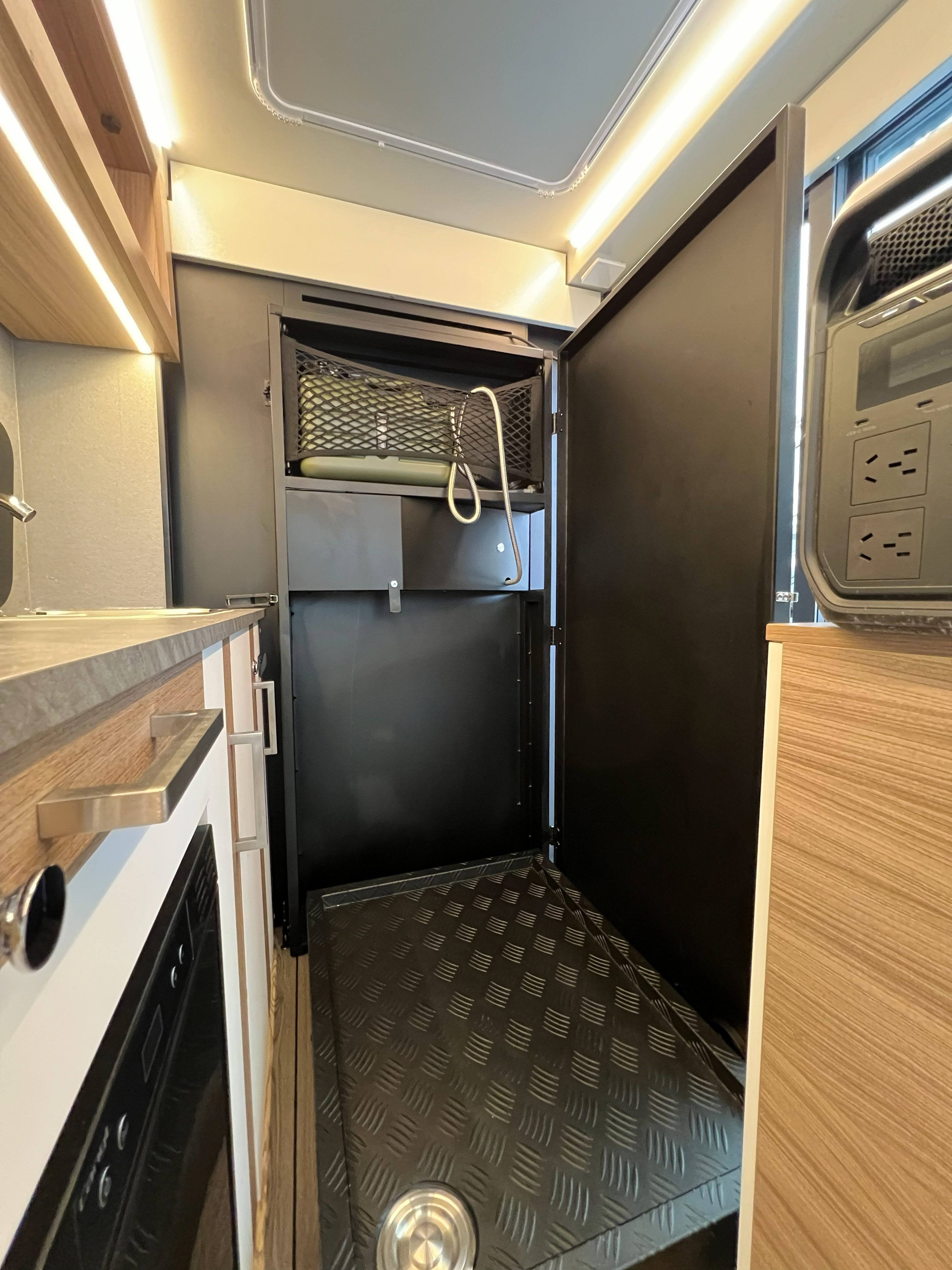
A modular camper kitchen is useful, but don't limit it to the interior — expand outdoors as much as possible. Whether it's outdoor cookware mounted on the camper or a chuck box (a gear-storage system commonly used by American campers that folds all kitchen items into one box), both can solve your outdoor cooking needs.
If your family is traveling together, dividing tasks at the campsite is the most efficient approach: one person sets up the outdoor kitchen — setting up the cooking station, connecting the propane stove, laying out the cookware — while the other preps the food — washing, cutting, and preparing seasonings. With good coordination, you can go from parking to cooking in under 15 minutes.
For someone like me traveling solo, cooking is best avoided if possible. American campsites are often a half-hour drive or more from town, and restaurants are far and expensive. So on driving days, I usually grab food at a truck stop or a fast-food joint along the way, and once I am at camp, I avoid firing up the stove if I can. Rest areas typically only have vending machines and restrooms — don't count on them for a real meal.
In extreme weather, you can rely on instant and frozen foods — there is no reason to go hungry. The earlier suggestion to stock quick-fix foods is exactly for situations like this, when cooking outside isn't possible.
To sum it up in a few words: steaming and boiling are best, avoid deep frying when you can, and skip stir-frying too. Oil fumes from frying can damage the van's interior materials, and grease stains are hard to clean. Prioritize boiling, steaming, and roasting — simple and hassle-free.